
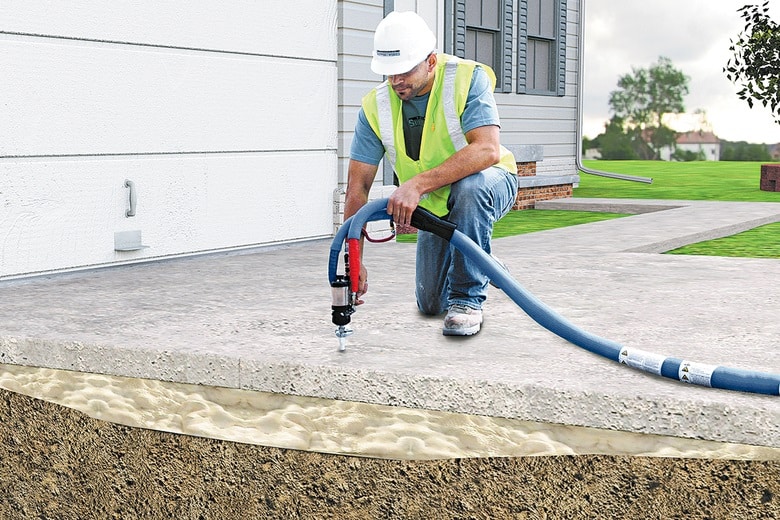
Concrete Lifting and Leveling is one of the most effective solutions for repairing uneven sidewalks, sinking driveways, settled patios, garage floors, and damaged concrete slabs without costly replacement. Property owners often deal with cracked or uneven concrete caused by soil movement, moisture problems, erosion, or voids beneath the slab. Modern concrete leveling services restore safety, appearance, and structural stability while saving time and money compared to full replacement.
Whether you are researching polyfoam concrete lifting, comparing mudjacking vs foam injection, or trying to understand why concrete slabs sink, this guide explains everything you need to know in a clear and practical way.
What Is Concrete Lifting and Leveling?
Concrete lifting and leveling is the process of raising settled or uneven concrete slabs back to their original position. Contractors inject specialized materials beneath the slab to fill empty spaces and lift the concrete evenly.
Common applications include:
- Sidewalks
- Driveways
- Garage floors
- Patios
- Pool decks
- Warehouse floors
- Foundations
- Steps and walkways
The goal of concrete raising services is to restore safety, improve appearance, and stabilize the underlying soil without removing the existing slab.
Why Do Concrete Slabs Sink?
Concrete slabs sink when the soil beneath them loses stability or develops empty spaces. Over time, the weight of the concrete causes settlement.
Common Causes of Sunken Concrete
Soil Erosion
Water runoff can wash away supporting soil beneath the slab.
Poor Soil Compaction
If the soil was not compacted properly during construction, it may settle unevenly later.
Freeze-Thaw Cycles
Cold weather can expand and contract the soil, leading to slab movement.
Heavy Loads
Driveways and commercial slabs often settle under repeated vehicle weight.
Plumbing Leaks
Underground leaks can create voids and weaken soil support.
Dry Soil Shrinkage
In hot climates, dry soil can shrink and leave gaps beneath concrete.
When these issues occur, concrete stabilization services help restore support and prevent further movement.
What Is Polyfoam Concrete Lifting?
Polyfoam concrete lifting is a modern repair method that uses expanding polyurethane foam to raise and stabilize sunken concrete slabs.
The foam is injected through small holes drilled into the slab. As the foam expands, it fills voids and gently lifts the concrete back into place.
How Does Polyfoam Concrete Lifting Work?
Step 1: Inspection
Technicians identify sunken areas, voids, and soil instability.
Step 2: Drilling Small Injection Holes
Small holes are drilled into the affected slab.
Step 3: Foam Injection
High-density polyurethane foam is injected beneath the concrete.
Step 4: Expansion and Lifting
The foam expands, fills empty spaces, and raises the slab.
Step 5: Sealing and Cleanup
The holes are patched, and the area is cleaned.
Polyfoam concrete lifting near me searches have increased because homeowners want faster and less disruptive repair solutions.
Benefits of Concrete Lifting and Leveling
Cost-Effective Repair
Concrete slab lifting usually costs significantly less than replacing concrete.
Faster Completion
Most projects are completed in just a few hours.
Minimal Disruption
Existing concrete remains in place, reducing mess and downtime.
Improved Safety
Sunken concrete repair eliminates dangerous trip hazards.
Long-Term Stability
Concrete void filling services help stabilize the slab foundation.
Eco-Friendly Solution
Repairing existing concrete reduces landfill waste and material consumption.
Concrete lifting and leveling provides faster, safer, and cost-effective repairs that improve stability, appearance, and long-term concrete performance.
Looking for professional concrete lifting and leveling services? Visit our concrete and leveling page to explore reliable repair solutions and expert service options.
Concrete Leveling Services vs Concrete Replacement
Many property owners wonder whether lifting or replacement is the better option.
When Concrete Lifting Is the Better Choice
Concrete leveling services work best when:
- The slab is structurally sound
- Cracks are minor
- Settlement is the primary issue
- The concrete surface is still in good condition
When Replacement May Be Necessary
Replacement may be required if:
- Concrete is severely broken
- Large sections are crumbling
- Structural failure has occurred
- Extensive damage exists
In many cases, sunken concrete repair can extend slab life by many years without replacement.
What Is the Difference Between Mudjacking and Polyfoam Concrete Lifting?
Both methods raise settled concrete, but they use different materials and techniques.
Mudjacking
Mudjacking uses a heavy slurry mixture made from:
- Soil
- Cement
- Sand
- Water
The slurry is pumped beneath the slab to lift it.
Pros
- Lower upfront cost
- Effective for some large slabs
Cons
- Heavier material
- Larger drill holes
- Longer curing time
- Increased risk of future settlement
Polyfoam Concrete Lifting
Polyfoam concrete lifting uses lightweight expanding foam.
Pros
- Lightweight material
- Small injection holes
- Faster curing
- Water-resistant
- Long-lasting stabilization
Cons
- Slightly higher initial cost
Today, many contractors recommend polyurethane foam because of its durability and precision.
How Long Does Concrete Slab Lifting Last?
Professional concrete slab lifting can last for many years when performed correctly.
The lifespan depends on:
- Soil conditions
- Drainage quality
- Repair method
- Weight loads
- Moisture control
High-quality concrete stabilization services combined with proper drainage often provide long-term performance exceeding 10 to 20 years.
Can Sunken Concrete Be Repaired Without Replacement?
Yes. In many situations, sunken concrete repair can restore slabs without demolition or reconstruction.
This is one of the biggest advantages of modern concrete raising services.
Instead of removing concrete, contractors:
- Fill underground voids
- Stabilize weak soil
- Lift the slab evenly
- Restore the original grade
This process saves time, labor, and material costs.
What Causes Voids Under Concrete Slabs?
Voids are empty spaces beneath concrete that reduce support and create settlement.
Common Causes of Concrete Voids
- Water erosion
- Plumbing leaks
- Soil washout
- Decaying organic material
- Improper backfilling
- Soil shrinkage
Concrete void filling services address these problems by injecting stabilizing materials under the slab.
Concrete Foundation Leveling Explained
Concrete foundation leveling helps restore settled foundations that have shifted because of unstable soil conditions.
Signs of foundation settlement include:
- Uneven floors
- Wall cracks
- Sticking doors
- Window alignment problems
- Exterior brick cracks
Professional foundation leveling may involve:
- Polyurethane foam injection
- Pier systems
- Soil stabilization
- Void filling
Early repair helps reduce structural damage and future repair costs.
How Much Does Concrete Leveling Cost?
Concrete leveling cost varies depending on:
- Slab size
- Severity of settlement
- Accessibility
- Repair method
- Geographic location
Average Cost Factors
| Repair Type | Typical Cost Range |
|---|---|
| Sidewalk leveling | Moderate |
| Driveway slab lifting | Moderate to high |
| Foundation leveling | Higher |
| Polyfoam concrete lifting | Slightly premium |
| Mudjacking | Lower upfront |
Although replacement may seem appealing initially, lifting often provides better value because labor and demolition costs are lower.
When Should Sunken Concrete Be Repaired?
Property owners should repair sunken concrete as soon as signs appear.
Warning Signs
- Uneven slabs
- Pooling water
- Cracks
- Trip hazards
- Tilting concrete
- Gaps beneath slabs
Delaying repairs can worsen settlement and increase long-term costs.
How to Choose the Best Concrete Leveling Services
Choosing experienced contractors is essential for long-lasting results.
What to Look For
Experience
Choose specialists with proven concrete lifting expertise.
Modern Equipment
Look for contractors offering advanced polyfoam concrete lifting systems.
Warranty Coverage
Reliable companies often provide warranties on stabilization work.
Reviews and Reputation
Check customer feedback and project history.
Inspection Process
A quality contractor should provide a detailed assessment before recommending repairs.
Searching for concrete slab lifting near me or sunken concrete repair near me can help you compare local providers and services.
Signs You Need Concrete Raising Services
You may need concrete raising services if you notice:
- Uneven walkways
- Sinking patios
- Garage floor settlement
- Driveway depressions
- Cracked concrete slabs
- Water drainage problems
Addressing these issues early improves both safety and property value.
The Future of Concrete Stabilization Services
The concrete repair industry continues to evolve with advanced technologies such as:
- High-density polyurethane foam
- Soil stabilization systems
- Moisture-resistant materials
- Precision lifting equipment
These innovations make modern concrete leveling services faster, cleaner, and more durable than traditional repair methods.
Conclusion
Concrete Lifting and Leveling is a cost-effective way to repair uneven concrete without full replacement. From polyfoam concrete lifting to concrete void filling services, these modern solutions improve stability, safety, and durability for residential and commercial surfaces.
If you notice sinking sidewalks, uneven driveways, or foundation settlement, early repair can help prevent more serious structural damage. Professional concrete leveling services restore appearance and extend the life of your concrete surfaces.
For trusted concrete repair solutions and expert service, contact High Caliber Spray Foam Specialists.